
By Moses Lutaaya
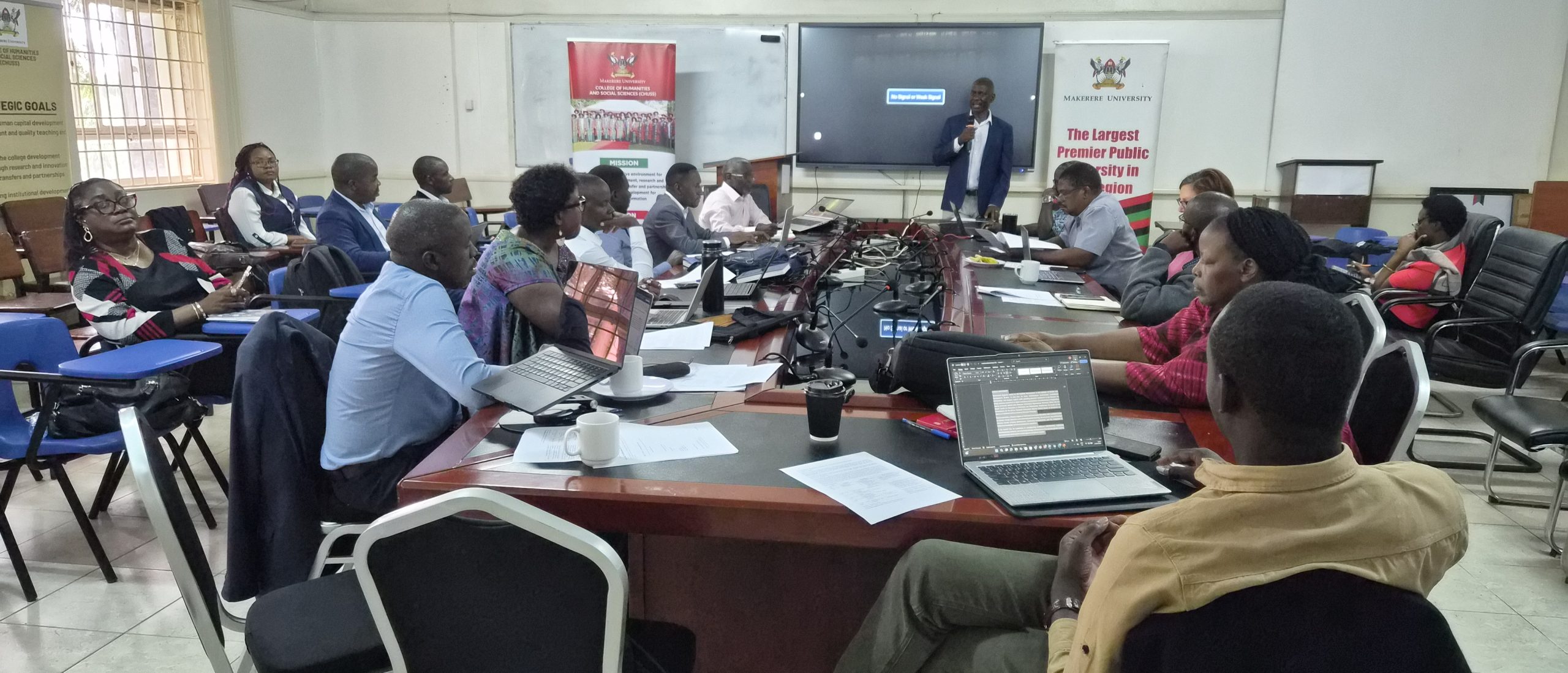
Makerere University has stepped up efforts to strengthen its scholarly publishing ecosystem following a Journal Editors’ Workshop held on April 23, 2026, in the Smart Room, College of Humanities and Social Sciences (CHUSS), aimed at improving journal quality, increasing research visibility, and enhancing the university’s global rankings.
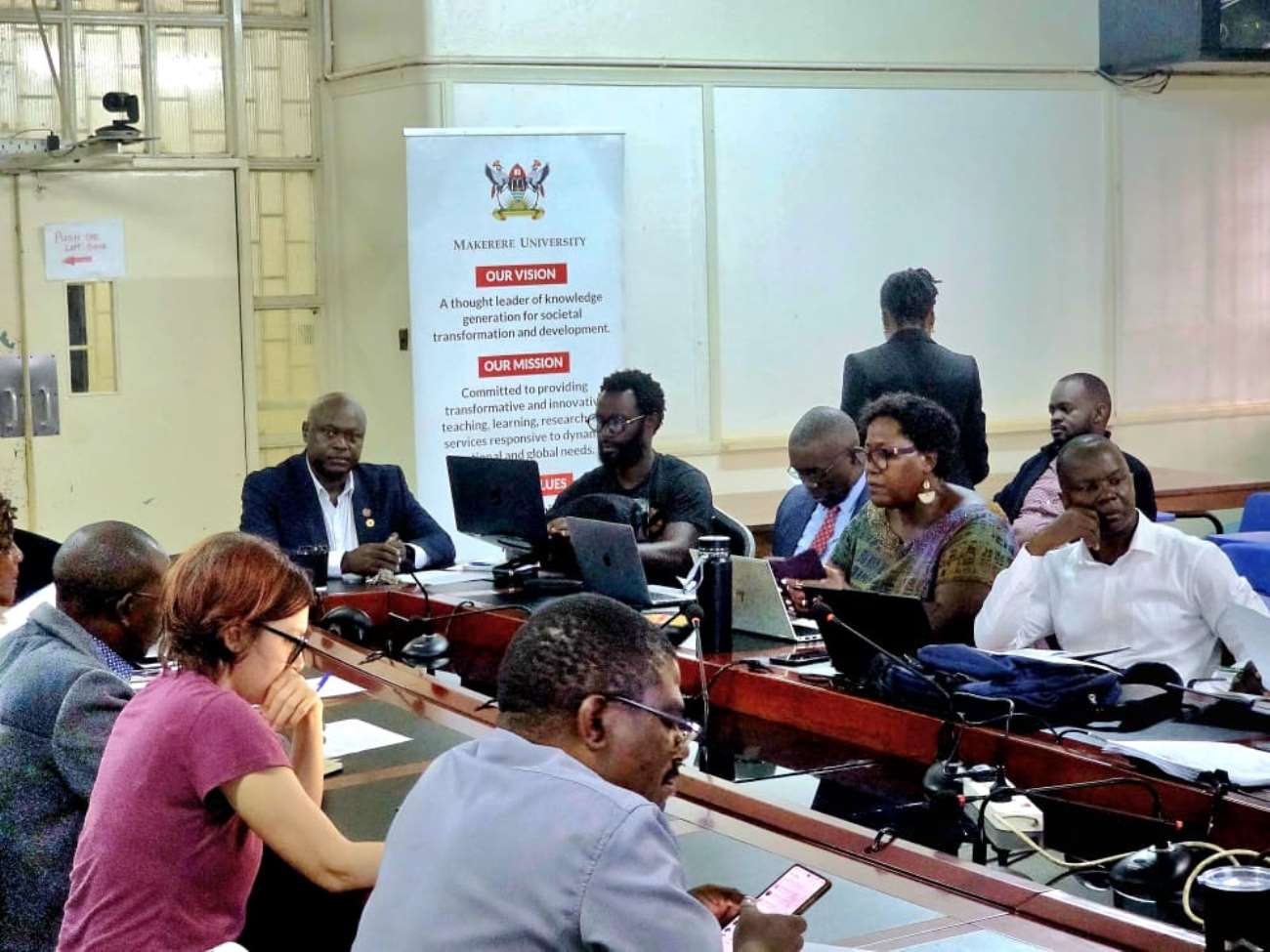
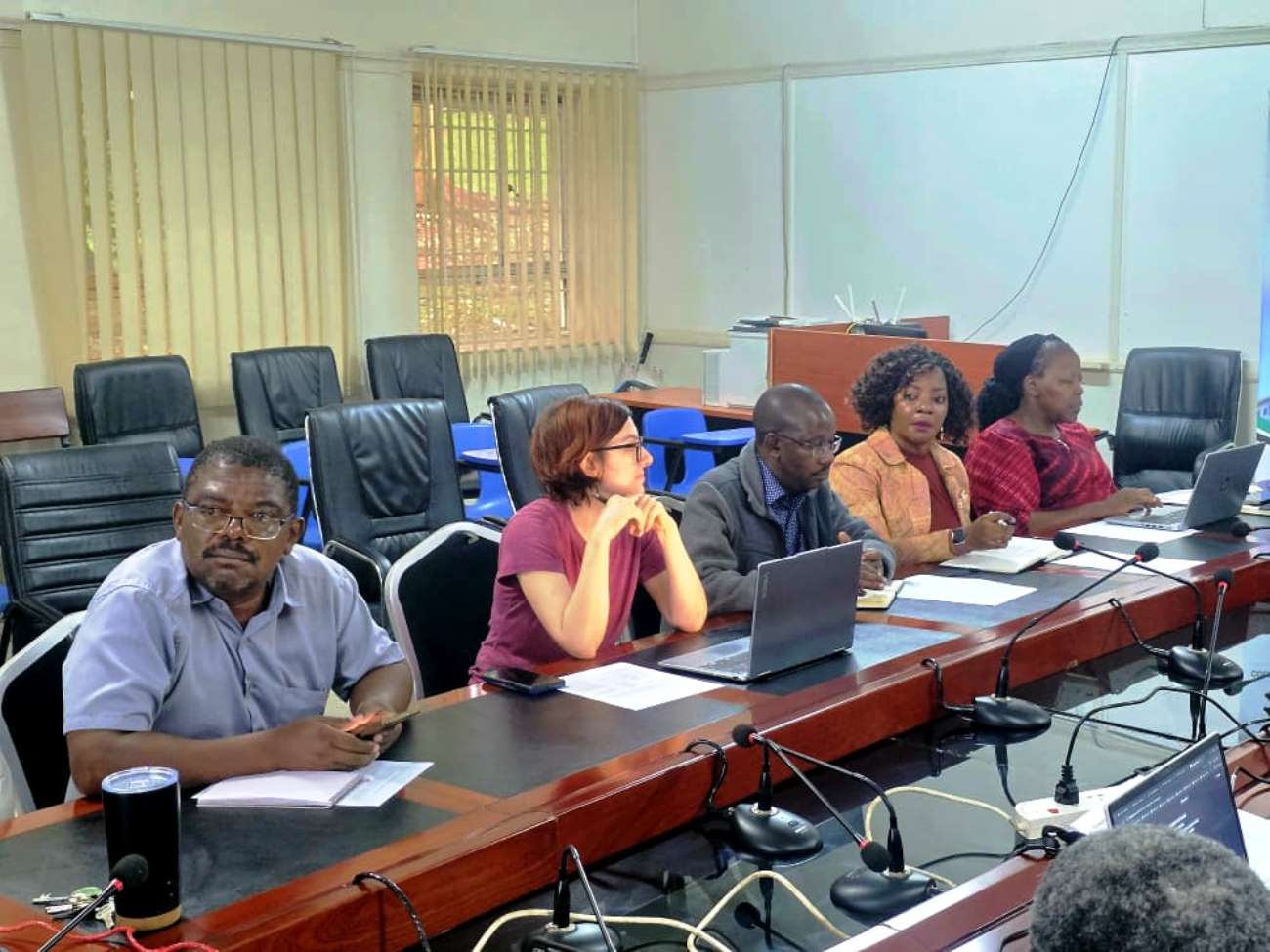
The workshop, organized by Makerere University Press (Mak Press), brought together journal editors from colleges, schools, and institutes across the university to discuss publication standards, consistency in journal production, international indexing requirements, governance, and sustainability of academic journals.
Speaking at the event on behalf of the Deputy Vice Chancellor for Academic Affairs, Prof. Julius Kikooma, Director of Graduate Training (DGT) and Chairperson of the Technical and Quality Assurance Committee of Mak Press, said the workshop forms part of the university’s deliberate strategy to restore Makerere’s historic place as a continental hub of intellectual production.
He said Makerere had long been recognized as Africa’s leading center for scholarship, especially in the post-independence period when renowned academics and political intellectuals across the continent sought to publish their work through the university.
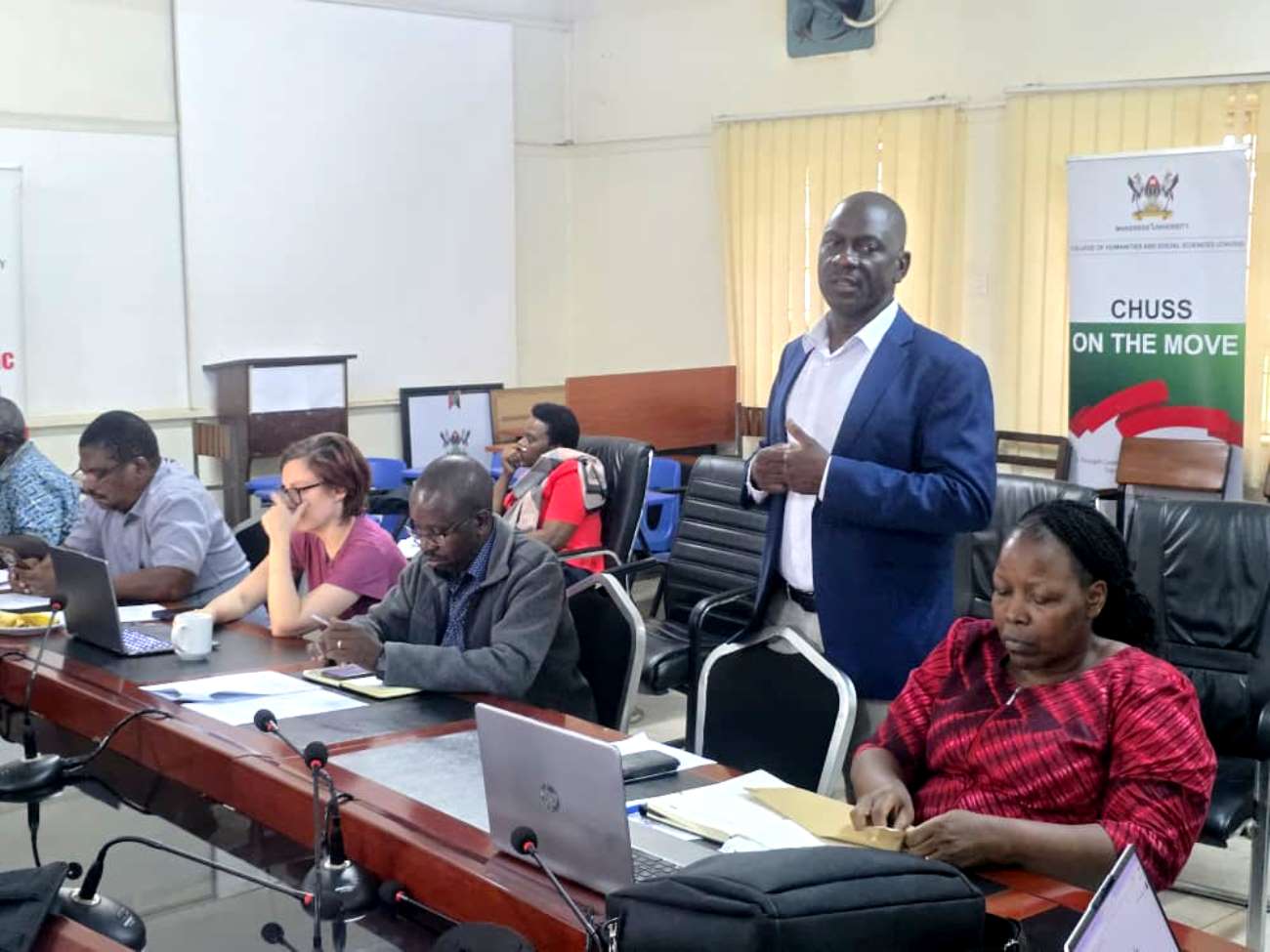
“Makerere was once the place where Africa’s leading scholars wanted to publish. We are now working to revive that tradition by ensuring our home-based journals meet international standards and become the first choice for our researchers,” Prof. Kikooma said.
He noted that although the university continues to produce world-class researchers, much of their best work is published outside Makerere, benefiting external institutions in rankings and global visibility.
“Management has realized that there has been a missed opportunity. The research is done here, the scholars are nurtured here, but the visibility and ranking benefits have often gone elsewhere because we lacked strong publishing outlets of our own,” he said.
Prof. Kikooma emphasized that global university rankings heavily depend on publications in indexed journals, making the strengthening of Makerere’s home-based journals critical to its ambition of becoming a truly research-led institution.
He also pointed to mindset as one of the biggest barriers. “Many academics have been inducted into believing that their best ideas are not for home consumption. We must change that mindset and build confidence in our own journals because strong societies use their own research outputs to solve real problems,” he added.
He further encouraged journal editors to make publications more responsive to society by introducing special issues that address pressing national and regional challenges.
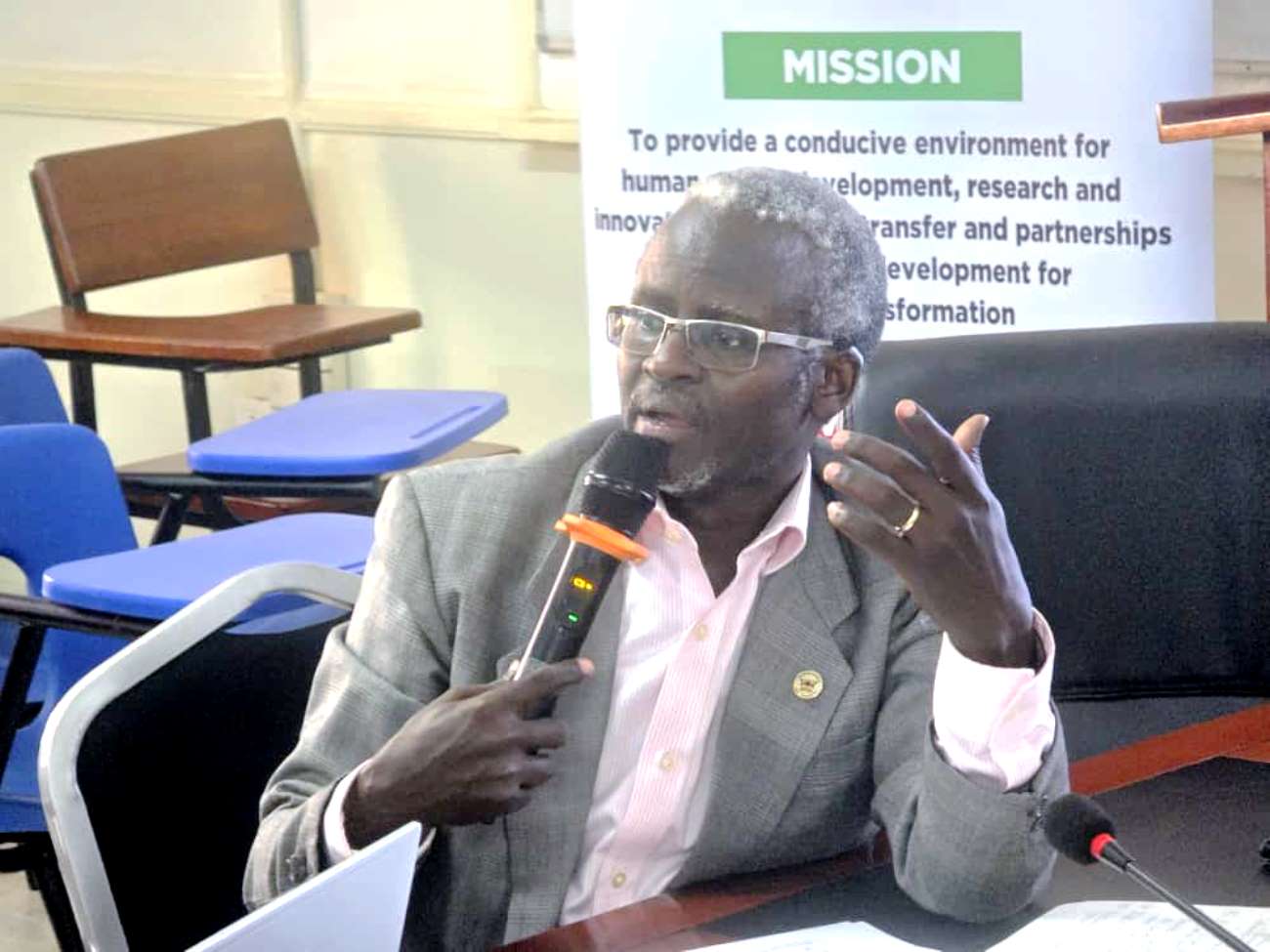
Prof. William Tayeebwa, the Chief Managing Editor of Makerere University Press, said the workshop was intended to assess the progress of journals across colleges while equipping editors with the tools needed to meet international publishing standards.
“Our main goal was to engage editors on whether they are producing journals consistently. If they say they are biannual, are they really publishing twice a year? If not, they need to make realistic decisions and strengthen their workflow,” he said.
He explained that the workshop brought together editors from established journals, newly formed journals, and colleges that are yet to establish journals.
Prof. Tayeebwa revealed that one of the major gaps identified was that some colleges still do not have academic journals.
“Why would an entire college not have a journal? That was one of the major concerns. We are engaging prolific scholars in those colleges to understand what is holding them back,” he said.
He also noted that many journal editors were depending on Mak Press for support that should ordinarily come from their colleges, prompting the need for stronger institutional buy-in and sustainability mechanisms.
Mak Press, he said, is helping journals secure International Standard Serial Numbers (ISSN), assign Digital Object Identifiers (DOIs), and prepare for international indexing.
He described ISSN as a critical identifier for journals. “If a journal does not have an ISSN, it cannot be discovered online and may not even be recognized by quality assurance systems. It is like a vehicle without a registration number plate,” he explained.
Prof. Tayeebwa said while research quality at Makerere is already strong, the university must significantly improve publication output.
“For a university of this size, publishing only a few dozen articles annually is not enough. With over 600 PhD students, master’s students, and staff, Makerere should be producing more than 1,000 journal articles every year,” he said.
He also called for stronger support for graduate students to co-publish with supervisors, noting that publication is already a graduation requirement for PhD students.
The Director, Institute of Gender and Development Studies Prof. Ruth Nsibirano, said the workshop demonstrates the university’s commitment to ensuring that knowledge generated at Makerere reaches the global academic community.
Her institute is currently developing the Makerere Gender and Development Journal, with its inaugural issue expected in early 2027.
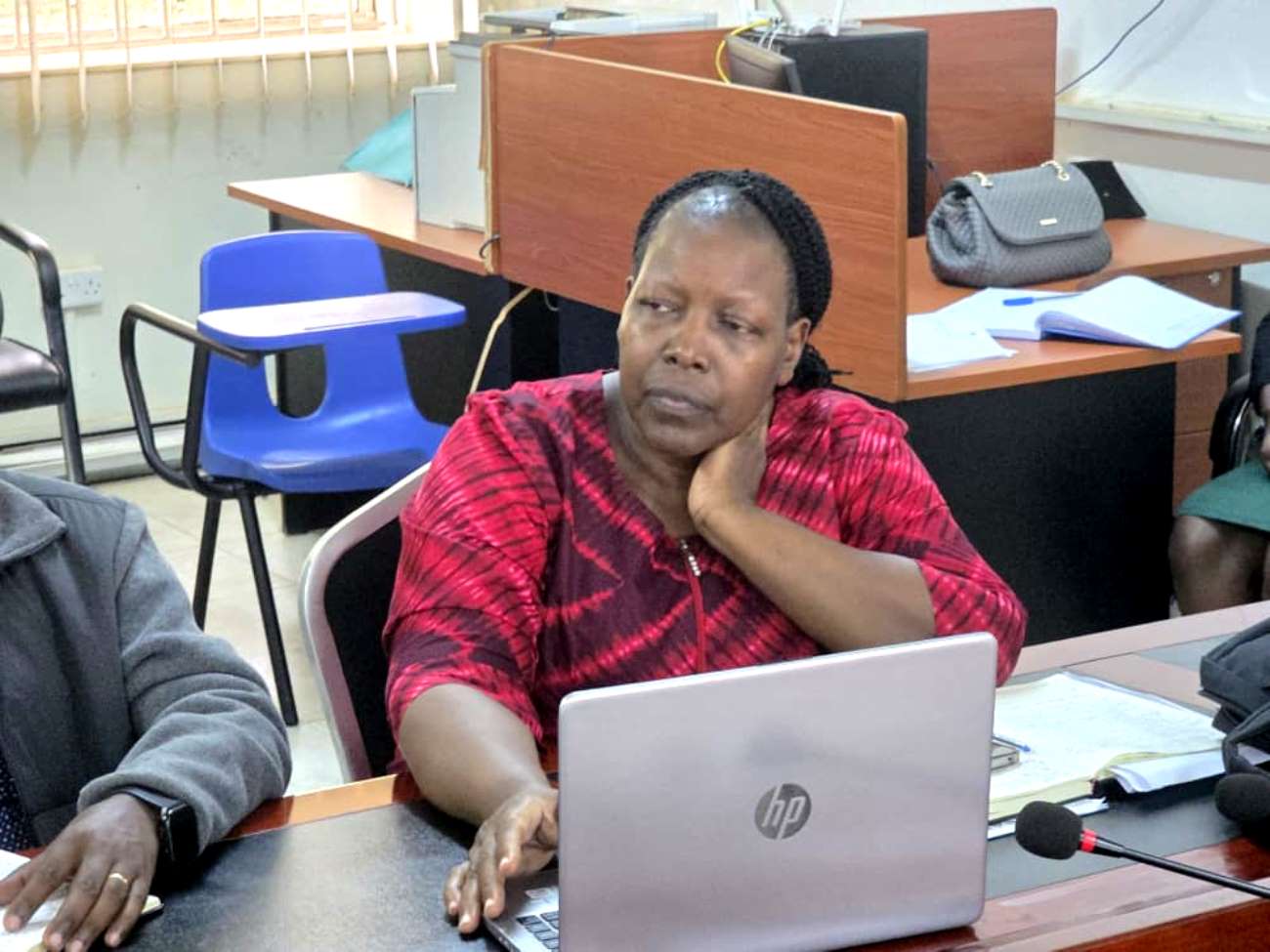
“We do not believe the Global South should remain only consumers of knowledge. We have a lot of knowledge to generate and share with the world,” Prof. Nsibirano said.
She explained that the journal will focus on gender, social transformation, and development while providing a platform for research that reflects African realities and perspectives.
According to Prof. Nsibirano, the workshop also promotes collaboration among scholars across disciplines.
“It improves the way we interact as scholars. We can co-publish, co-author, and also know what is being published in other journals under Makerere Press. That strengthens research and institutional visibility,” she said.
She added that the main challenge affecting many journals had not necessarily been structural gaps, but reduced motivation, which caused some long-established journals to become dormant.
With renewed management support, stronger editorial coordination, and a push for international standards, Makerere University leaders believe the institution’s journals can once again become leading platforms for African scholarship and significantly contribute to the university’s competitiveness on the global stage.